 By st
By st What is the difference between a bill and a resolution? – Ever wondered what the difference is between a bill and a resolution? They both seem like important documents, but they serve different purposes within the legislative process. Think of them like two different types of tools in a toolbox – each designed for a specific job.
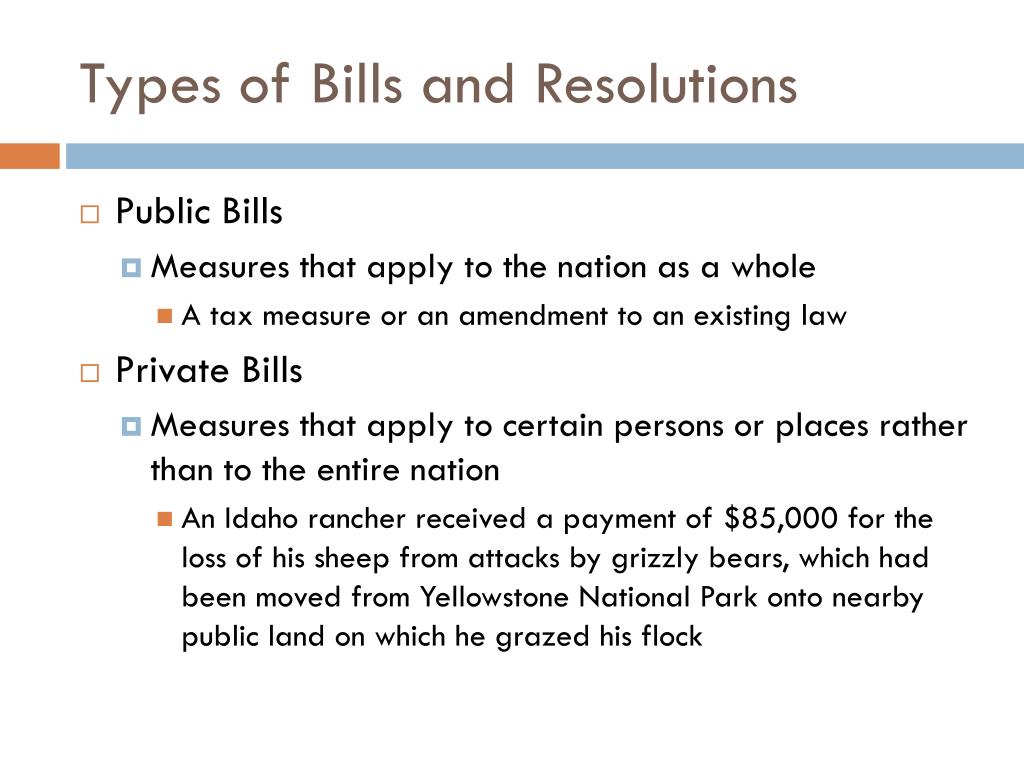
Bills are proposals for new laws or changes to existing ones. They’re the workhorses of legislation, aiming to establish new rules, regulations, or policies that affect everyone in a jurisdiction. Imagine a bill as a detailed recipe for a new law – it Artikels exactly what the law will do, who it applies to, and what the consequences will be. If a bill passes all the necessary steps, it becomes a law.
Resolutions, on the other hand, are typically used for expressing an opinion, setting a policy for a specific group, or taking a position on a matter. They don’t create new laws or change existing ones. They might address issues like congratulating someone, expressing support for a cause, or even establishing a committee. Think of resolutions as votes of support or expressions of opinion, rather than instructions for action. They don’t have the same legal weight as a bill that becomes a law.
Here’s a simple breakdown of the key differences:
- Bills create new laws or change existing ones.
- Resolutions express opinions, set policies, or take positions on issues.
- Bills require a certain number of votes to pass into law.
- Resolutions often require a simple majority vote.
To further illustrate the concept, consider the example of a bill to raise the minimum wage. This would be a bill, as it proposes a specific change in the law. A resolution, on the other hand, might express support for raising the minimum wage. It wouldn’t change the law itself but would indicate the opinion of the group that passed it.
Understanding these distinctions is crucial to grasping how our legislative systems work. It’s a fundamental concept that helps clarify how our leaders make decisions that impact us all.
Famous Entities Related to Bills and Resolutions:
- Congress: The US Congress is the primary body where bills and resolutions are proposed and debated.
- The White House: The President plays a significant role in the legislative process by reviewing and signing bills into law or vetoing them.
- Supreme Court: The Supreme Court can interpret laws, which can indirectly impact the process of creating bills and resolutions.
 Amelia
  Ethan
Ethan  Hunter